

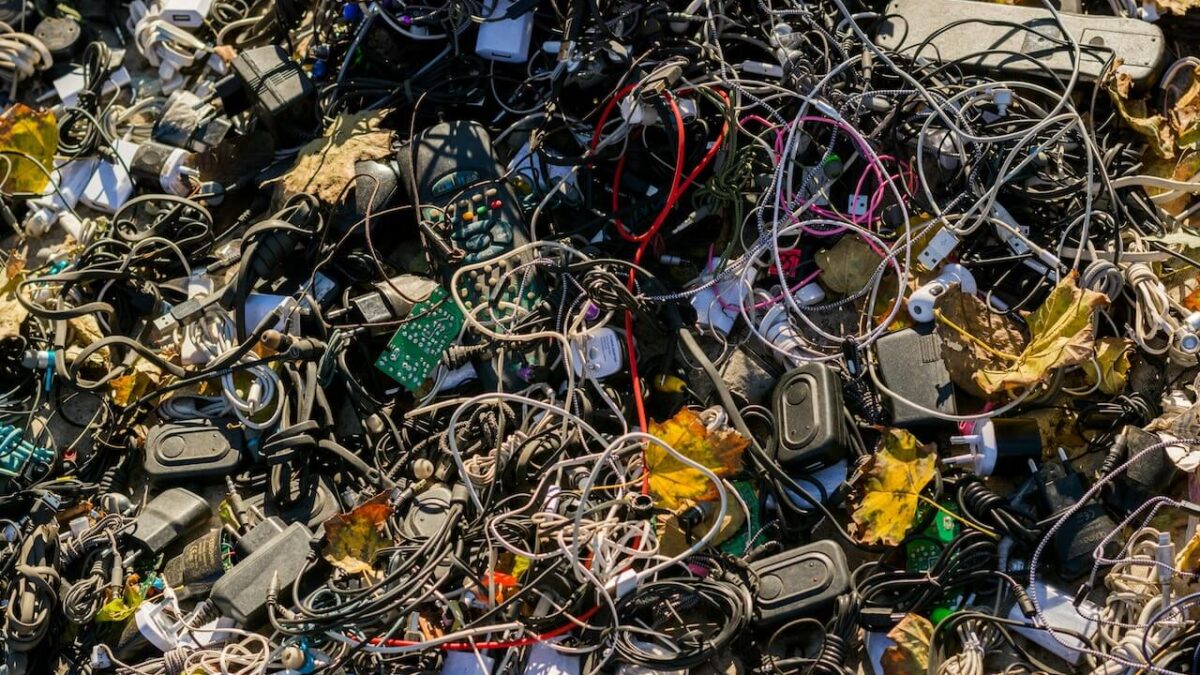

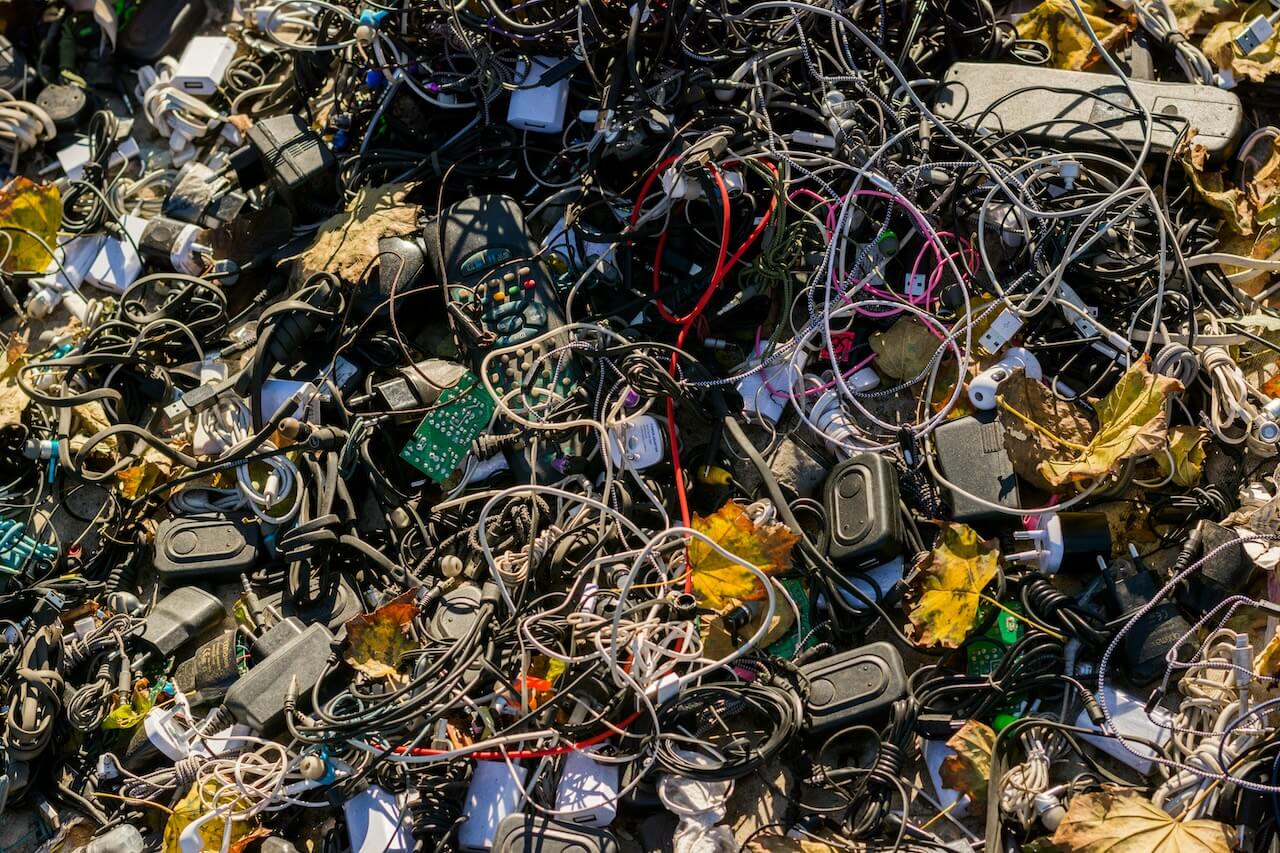
The reality is that every year, throughout the world, millions and millions of tons of electronic waste is discarded as we eagerly replace our old devices with the latest technology.
Now, what makes electronic waste so toxic to the environment is the numerous harmful substances such as lead, mercury, cadmium, phosphors, PVC plastics, and chromium which leach into the soil and groundwater thus finding their way into our food supply leading to catastrophic effects on the human body ranging from cell mutation to organ failure. The shocking part of it is the fact that according to the United Nations less than 20% of this electronic waste is actually recycled and the rest of it is sent to landfills or incinerators causing a myriad range of problems for the environment.
Why electronics can’t go in the bin
The main problem lies in the components used in these gadgets. The circuit boards have lead and cadmium, the screens especially on old LCDs have mercury, and batteries regardless of whether they are the lithium-ion or older nickel-cadmium ones, are reactive, and in some cases flammable. All these substances are drawn into the groundwater over time by leachate when they are dumped into landfills. This is not just a potential risk but an actual problem for areas that have been dumping their electronic wastes into landfills for many years.
For instance, one of the biggest concerns people have are lithium-ion batteries, which can be seriously dangerous. They don’t necessarily have to be punctured in order to combust, as pressure, heat, or contact with water can cause a reaction that leads to a fire. Waste management trucks and facilities have actually been set on fire because someone tossed a laptop or power bank into a yellow recycling bin. They simply cannot be handled in this way.
White goods are a category apart
Large household appliances such as refrigerators, air conditioners, and washing machines are frequently associated with general hard waste, but they pose a different type of danger. The coolant systems and foam insulation of many older refrigerators, in particular, contain chlorofluorocarbons (CFCs). If these refrigerants are not siphoned off by professional operators before the fridge is sent to the tip, they are released directly into the atmosphere. CFCs are hundreds of times more powerful as greenhouse gases than CO2 and they also chemically destroy the ozone layer.
Taking a refrigerator to a certified recycling depot is easier said than done. The centers themselves usually don’t accept individuals’ drop-offs. Refrigerators are unwieldy and very heavy – the sort of thing you’d need a trolley and a few sets of hands to shift. And even if your local tip does cart it off to a hazmat-accredited recovery operator, there are no guarantees. This is where companies offering E Waste Removal Services Sydney come in – companies like these serve as an intermediary between what a well-meaning householder intends and the fate that would, by default, befall the fridge. Professional removal is the only way to ensure that it is transported, weighed, and degassed correctly – every single time.
The economic case for proper recycling
Responsibly disposing of electronic devices is not only something we should do to protect the environment, it’s also an excellent business opportunity that we are missing. Urban mining, which is the practice of getting valuable materials from old products can get gold, silver, and copper in quantities 40 to 50 times richer than ores. For example, a ton of mobile phones can return more gold than a ton of rock from even large mines.
The problem is that all of this is only possible if we get those devices to the right place. So, the difference between the amount of electronic waste that is generated and the one that is processed is significant. Every old phone or computer thrown away that heads to a landfill is a future of wealth irretrievably lost.
What responsible disposal actually looks like
It’s probably the case that we will never be able to capture every last scrap of metal, plastic, or other materials used in a modern piece of technology. But we can certainly do better than we are now.
Getting serious about the last mile
The infrastructure to deal with electronic waste in a responsible manner is available. The issue is that consumer awareness and the logistical specifics have not reached the level that is truly necessary. Correct e-waste recycling does not begin with what a firm does to a device once they have acquired it; it begins with how the device is managed, collected, transported, and tracked. Viewed as general garbage, it’s not a minor error. It is the juncture at which harmful materials are inadvertently discharged into a process that could have safeguarded them.