


Designing outbuildings that serve multiple purposes requires thoughtful planning and functional design. Whether you need a workspace, hobby area, or storage solution, creating a multi-use structure maximizes land use and supports changing needs over time. Flexibility, durability, and ease of access are key considerations in the early planning stages.
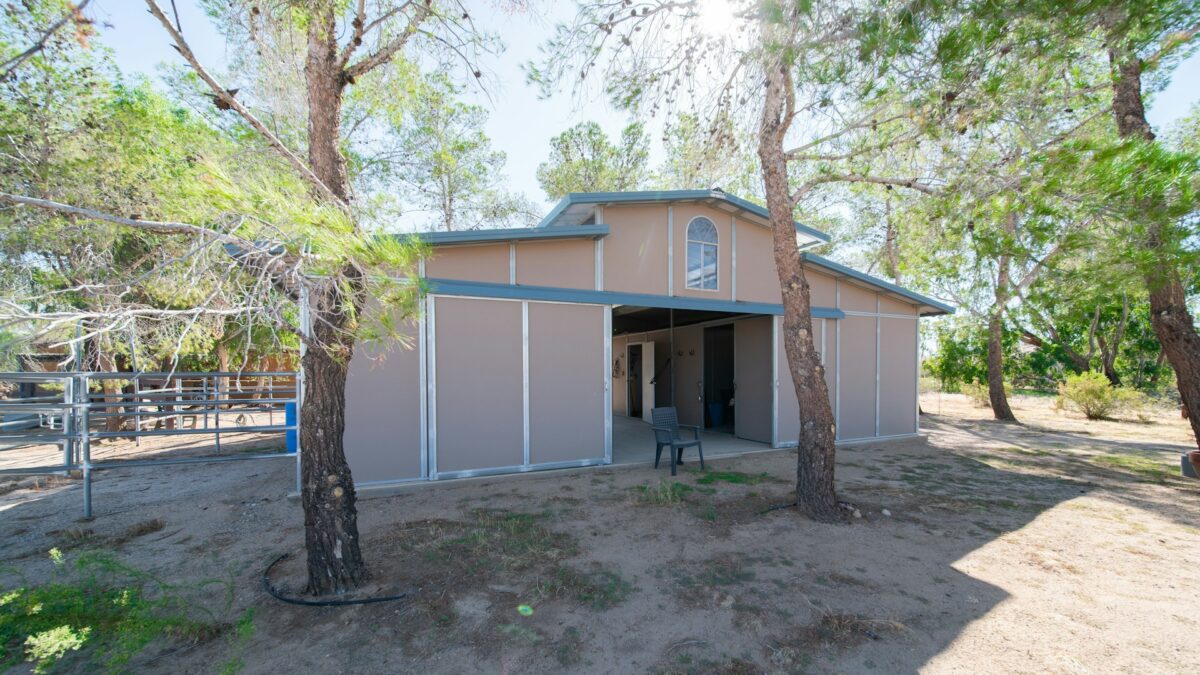
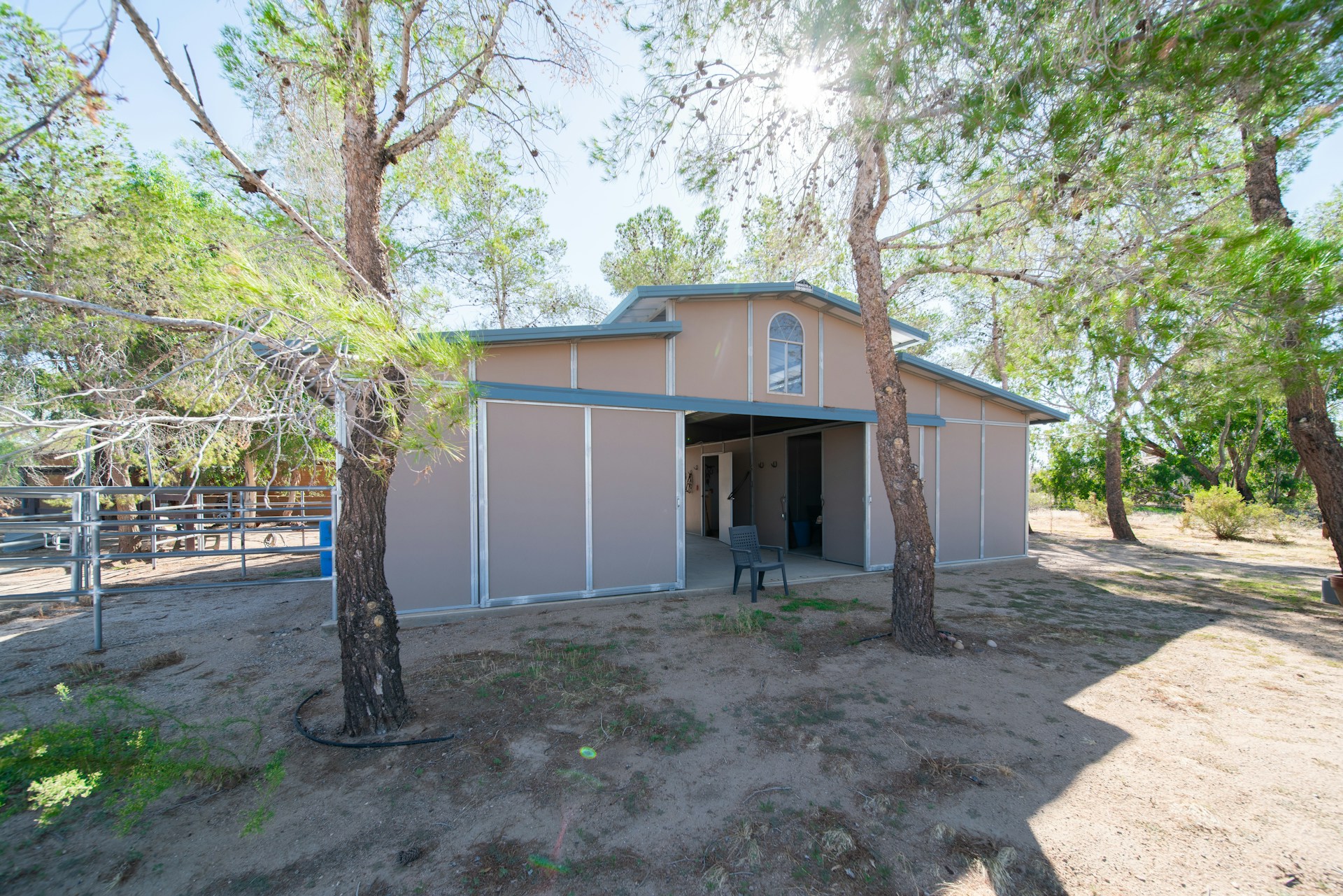
One example of thoughtful multi-use planning is combining recreational and agricultural needs within a single structure, such as a horse barn that also includes a tool workshop or storage for outdoor gear. Blending work and leisure functions allows property owners to get more out of their investment while maintaining organization and efficiency across daily activities.
Benefits of Multi-Use Outbuildings
Versatility is the main advantage of multi-use outbuildings, which can serve as home offices, art studios, gyms, or guest spaces based on needs. They boost property value by adding usable space and enhancing appeal. Well-planned outbuildings also create separation between work and living areas, promoting work-life balance.
Design Considerations
When planning multi-use outbuildings, thoughtful design considerations are essential to ensure the space effectively serves work and recreational needs. Flexibility in layout, proper insulation, and efficient use of natural light can make a structure comfortable and functional throughout the year. Whether used as a workshop, studio, or gathering space, the building should be adaptable to evolving needs. Storage, ventilation, and durable materials also affect long-term usability. Some property owners even develop hobby buildings to create designated areas for creative projects or leisure activities, blending utility with personal enjoyment in a space tailored for multiple purposes. With the proper planning, these buildings can seamlessly support productivity and relaxation.
Construction Materials and Techniques
Your choice of materials and construction methods will largely determine the longevity, efficiency, and environmental footprint of your outbuilding.
- Prefabricated Panels: These enable speedy assembly and can lower labor costs. Prefab systems are also known for consistent quality and can be customized for various uses.
- Cross-Laminated Timber (CLT): CLT panels provide strength, excellent insulation, and a natural aesthetic. They are also renewable, making them a sustainable option that brings warmth and character to your outbuilding.
- Steel Frames: Steel is prized for its durability, fire resistance, and pest immunity. It works exceptionally well for designs requiring large open spaces or structures exposed to the elements.
When choosing construction methods, consider modular and hybrid options to enhance flexibility or durability.
Sustainable Practices
Eco-friendly building practices have moved from niche to mainstream—for good reason. Sustainable outbuildings are not only better for the planet, but they can also save on energy and maintenance costs. Here are several ways to make your outbuilding greener:
- Solar Panels: By installing solar panels, your outbuilding can generate its renewable electricity, reducing its carbon footprint and energy expenses over time. Resources like the Residential Clean Energy Credit offer guidance on residential solar installation and incentives.
- Rainwater Harvesting: Set up gutters and collection barrels to capture rainwater for landscape irrigation or toilet flushing. This sustainable practice conserves municipal water and helps you maintain gardens with minimal environmental impact.
- Energy-Efficient Appliances: To reduce operational costs and support long-term sustainability, equip your space with LED lighting, high-efficiency HVAC units, and Energy Star-certified devices.
Regulatory Compliance
No multi-use outbuilding project should proceed without ensuring compliance with local zoning laws and building codes. Regulations cover setbacks, square footage, uses, and architectural styles. Contact your permitting office early and consider an architect or contractor familiar with local requirements. This helps avoid costly mistakes, delays, or future modifications.