

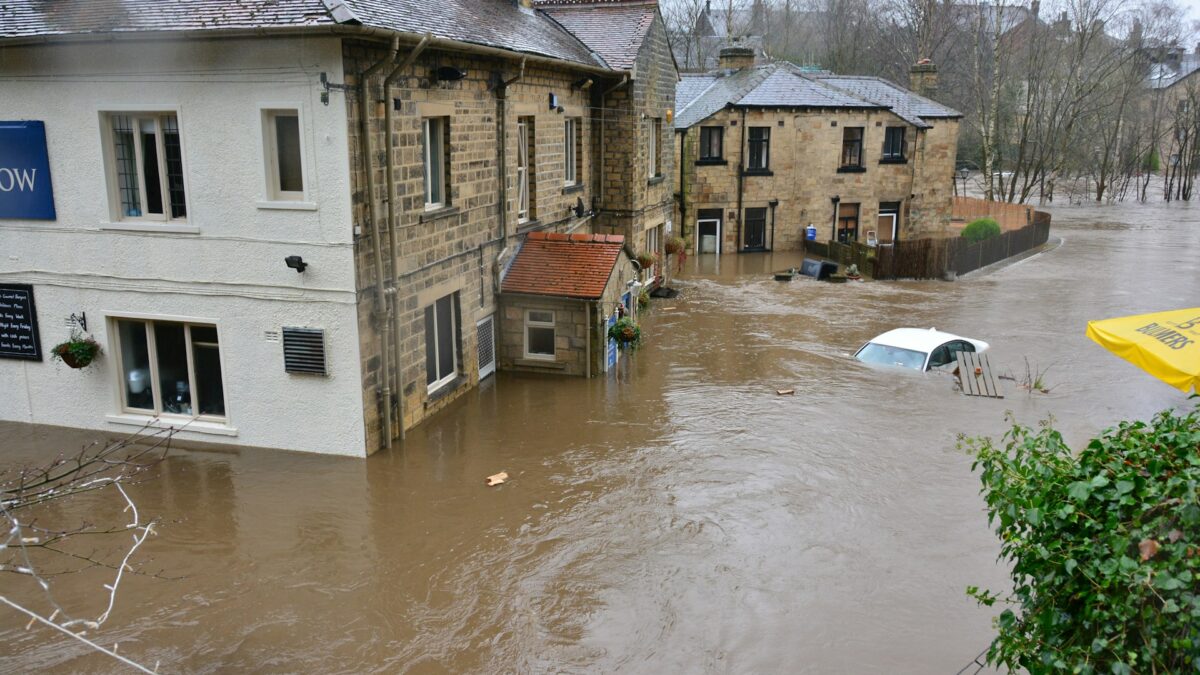

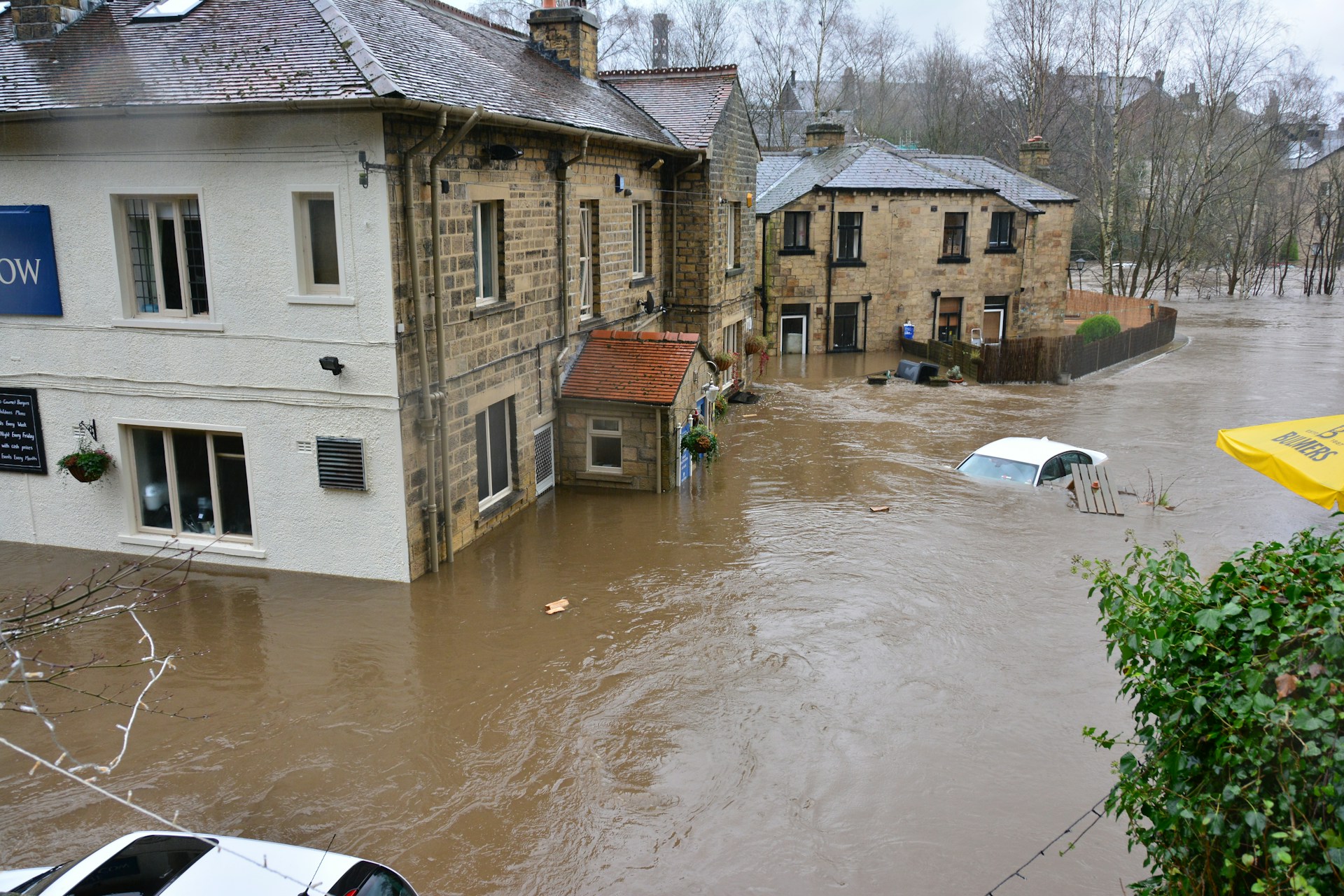
Extreme weather events increasingly expose how differently insurance policies treat water-related damage. Homeowners often assume that all flooding falls under the same protections, but insurers draw sharp distinctions based on the source, timing, and classification of water intrusion. These distinctions become especially important when comparing damage caused by prolonged rainfall versus large-scale hurricanes, where technical policy language can significantly affect claim outcomes.
💧 How Insurers Define Flooding After Heavy Rain
Damage resulting from sustained or intense rainfall is commonly misinterpreted by policyholders. When water accumulates gradually due to overwhelmed drainage systems, soil saturation, or surface runoff, insurers may classify the event differently than homeowners expect. Many standard policies exclude flooding defined as rising water originating from outside the structure, even when rainfall is the sole trigger.
This technical framing leads to disputes when homeowners file a flood damage insurance claim believing rainwater intrusion should qualify as internal water loss. Insurers frequently counter that surface water accumulation meets the policy’s flood definition, triggering exclusions. The distinction between interior plumbing-related incidents and external water movement becomes central to whether compensation is approved or denied.
🌪️ Hurricanes and Policy-Specific Flood Classifications
Major storms introduce additional complexity. Hurricane-related losses often involve overlapping damage sources, including wind-driven rain, roof breaches, and ground-level inundation. While wind damage is usually covered under homeowners policies, water intrusion tied to rising external water levels is treated separately. This is where hurricane flood insurance coverage differs sharply from rain-related scenarios.
Storm declarations do not automatically activate broader protection. Instead, insurers isolate damage types, approving wind-related repairs while rejecting water losses attributed to flooding. This separation frequently results in partial payouts that fail to reflect the total scope of destruction experienced during hurricanes.
🌊 Storm Surge vs. Flood Damage: Why the Distinction Matters
One of the most misunderstood areas involves storm surge vs flood damage. Storm surge refers to abnormal seawater rise pushed inland by hurricanes, while flooding may stem from rainfall accumulation or overflow. Despite appearing similar in impact, insurers classify storm surge as a flood-related event, which places it outside standard homeowners coverage.
This technical separation allows insurers to deny claims even when wind forces initially compromised the home. Once rising water becomes involved, exclusions often apply, leaving homeowners responsible for repairs unless a separate flood policy exists.
🚫 Policy Language and Insurance Exclusions That Catch Homeowners Off Guard
Most claim disputes trace back to insurance exclusions for flooding buried within policy documents. These clauses often define flooding broadly, encompassing runoff, surface water, and water driven by natural forces. Even scenarios involving slow leaks worsened by rain can fall into exclusion categories if insurers determine external water played a role.
When coverage determinations hinge on wording rather than real-world damage progression, payouts may be reduced or rejected entirely. This is why many water damage insurance claims delay during investigation, especially when adjusters attribute losses to excluded causes instead of covered events.
🌧️ Why Heavy Rain Losses Are Frequently Disputed
Cases involving heavy rain water damage often fall into gray areas. Water entering through compromised roofs, windows, or siding may initially appear wind-related, yet insurers may later argue that pooling or saturation transformed the loss into flooding. These reclassifications typically occur after inspections, leaving homeowners surprised by denial letters.
Disputes escalate when insurers rely on weather data, elevation models, or generalized flood maps instead of property-specific conditions. The absence of clear damage-source documentation places homeowners at a disadvantage during claim evaluations.
🏠 Regional Impact on Homeowners
In coastal and low-lying regions, Florida flood insurance claims face heightened scrutiny. Proximity to waterways, soil composition, and historical flood patterns often influence claim determinations. Insurers apply strict interpretations due to the state’s high exposure to hurricanes and seasonal rainfall.
Homeowners may find that identical damage outcomes receive different treatment depending on whether the event occurred during a named storm or a rain-heavy weather system. This inconsistency reinforces the importance of expert evaluation when insurers dispute causation.
🔍 Why Claim Outcomes Depend on Technical Interpretation
Many denied or underpaid cases arise from how insurers interpret the origin and movement of water rather than the actual extent of loss. Adjusters often rely on narrow definitions that favor exclusion when multiple water sources are involved. Without an independent assessment, homeowners may unknowingly accept reduced settlements that fail to reflect the true scope of damage.
When the cause of loss is contested, professional claim evaluation becomes critical. Specialists can analyze moisture patterns, structural impact points, and timelines to clarify whether damage aligns with covered perils. In disputed cases, having documentation that supports policy-compliant classifications can significantly influence outcomes.
🌧️ Navigating Coverage Gaps Before and After Severe Weather
Weather-related water damage rarely fits into neat categories, yet insurance policies demand precise definitions. The gap between real-world damage and contractual language is where many homeowners face financial setbacks. Recognizing how insurers separate rainfall, hurricanes, and rising water events helps homeowners approach claims with realistic expectations and stronger documentation.
Clear differentiation between covered and excluded damage sources remains one of the most decisive factors in claim resolution. When policy wording, inspection findings, and environmental data conflict, informed evaluation can mean the difference between denial and fair compensation.
📧 Email: support@baseclaims.com
📞 Phone: +1 (954) 466-5730
Office: 954-466-5730
🌐 Website: https://www.baseclaims.com/