

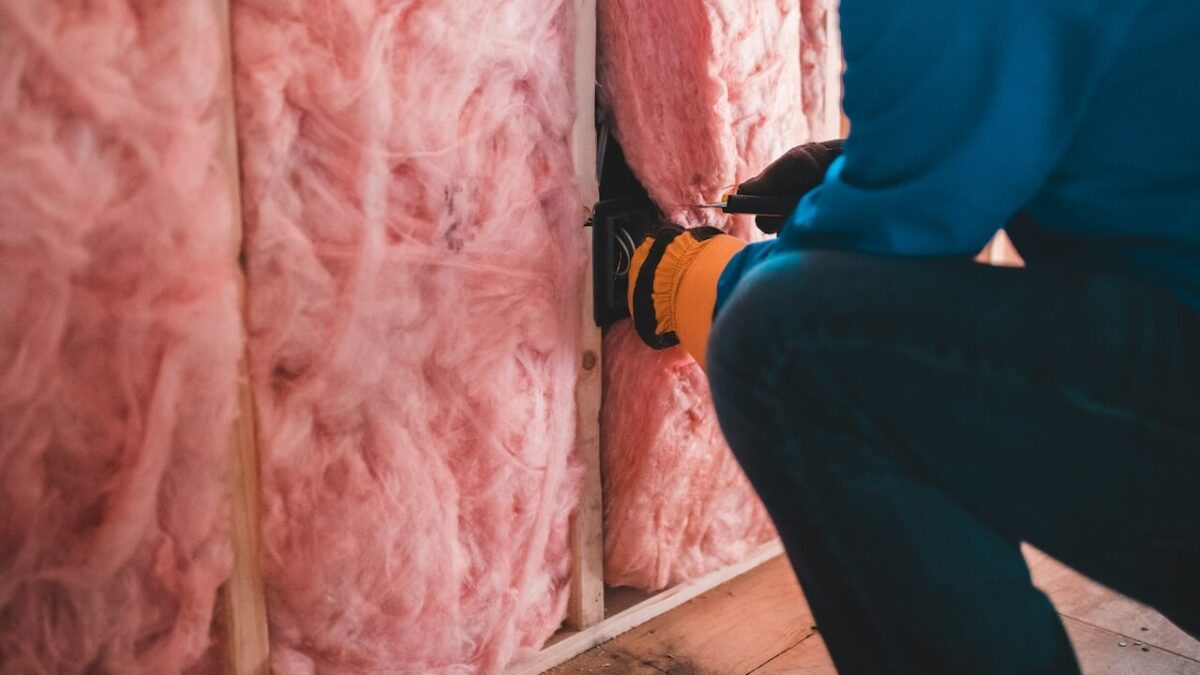

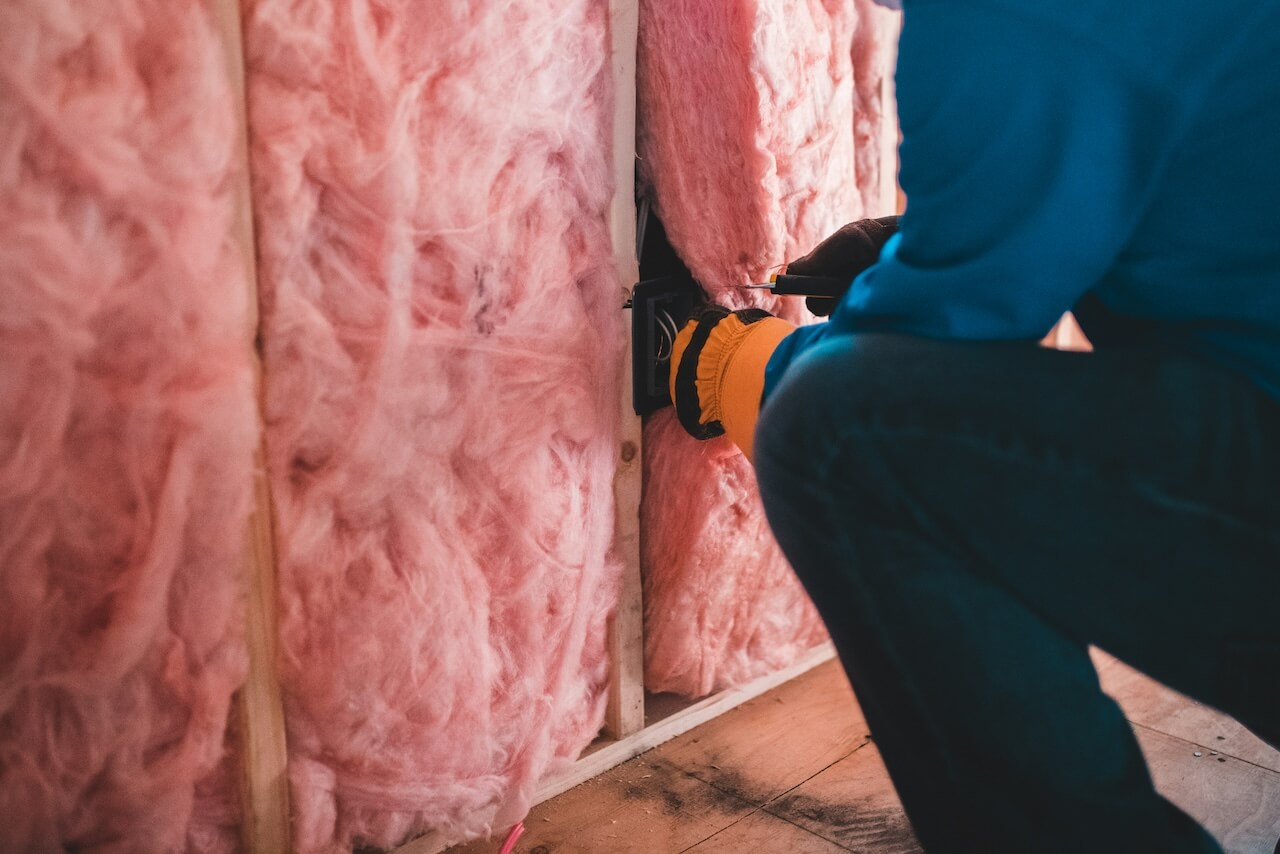
Many homeowners across South Florida spend thousands of dollars upgrading to the latest, most efficient air conditioning units, only to watch their monthly electricity bills remain shockingly high. You set the thermostat to a crisp seventy-two degrees, but certain rooms constantly feel like a dry sauna, while the system runs non-stop without ever cycling off. It is easy to blame the HVAC system, but the real culprit is almost always looming directly over your head. When a house cannot retain its cooled air, you are essentially paying to condition the outdoor environment. This is precisely where investing in high-quality blow-in attic insulation in Hollywood becomes a critical operational asset for your home, establishing the definitive barrier needed to keep scorching solar radiation from infiltrating your indoor living areas.
When the protective boundary between your ceiling and your roof deck fails, your entire home transitions into an inefficient heat trap. Understanding the exact material depth and thermal density required for our unique coastal environment is the only reliable way to break this costly cycle and achieve genuine indoor comfort.
🌡️ The Recommended R-Value Standards for South Florida Properties
To analyze thermal resistance in residential construction, engineers utilize a measurement scale known as the R-value, which quantifies a material’s capacity to resist conductive heat transfer. The higher the numerical rating, the more effective the barrier. According to the current Department of Energy guidelines, properties located in Climate Zone 1, which includes Broward County and the surrounding coastal areas, require a minimum rating of R-30 up to R-60 for uninsulated ceiling spaces. In practical terms, if your property relies on older, compressed fiberglass products that have degraded over decades, your current protection likely hovers around R-11 or R-15, which is deeply insufficient.
Achieving an optimal R-value requires deep precision during installation. Simply layering new materials over wet, dusty, or pest-damaged structures will only trap operational inefficiencies and accelerate material decay. Homeowners must target a specific depth of roughly ten to fifteen inches of high-density material depending on the specific product type used to guarantee structural equilibrium and stabilize indoor temperatures throughout the year.
☀️ The Dangerous Mechanics of Roof Overheating
During a standard summer afternoon in Hollywood, local ambient temperatures easily cross ninety degrees, causing the direct solar radiation striking your roof shingles to heat your attic space up to a staggering one hundred and fifty degrees. This massive volume of trapped, stagnant air creates an intense thermal engine that exerts continuous downward pressure on your drywall ceilings. Heat naturally migrates toward cooler environments, meaning your ceiling boards turn into a network of residential radiators, radiating thermal energy down into your bedrooms, kitchen, and hallways.
Without an advanced, modern barrier to arrest this thermodynamic movement, your air conditioning system is forced to engage in a continuous, losing battle. The equipment might distribute cold air through the supply vents, but that air is almost immediately neutralized by the ambient radiant warmth dropping down from the ceiling. This exhausting operational cycle causes uneven room temperatures, persistent hot spots, and accelerated wear on your mechanical systems, significantly shortening the lifespan of your expensive HVAC equipment.
🛠️ Matching Structural Needs with Modern Insulation Systems
Every residential architecture presents distinct structural dynamics, meaning there is no single, universal answer to thermal management. Properties built during the mid-century modern boom feature entirely different framing compared to contemporary multi-story developments. Attic Fanatics provides comprehensive residential evaluations to identify exact thermal deficits, structural vulnerabilities, and airflow blockages before suggesting a customized remediation plan.
Depending on the framing layout and historical age of your residence, specific modern configurations offer unique performance advantages:
• 🏢 Loose-fill fiberglass or premium cellulose configurations deliver seamless coverage across irregular joist configurations, filling hard-to-reach perimeter gaps and creating a continuous thermal blanket.
• 🏢 Traditional high-density batt insulation layouts work exceptionally well for uniformly framed ceiling joists, knee walls, and vertical access hatches where structural stability is required.
Standardizing your property’s thermal defense is the most dependable method to alleviate the mechanical stress on your cooling units, delivering a measurable reduction in your baseline carbon footprint and lowering operational utility expenditures.
🦠 Eliminating Biological Hazards and Restoring Pure Indoor Air
High humidity and elevated structural temperatures do not just damage your financial bottom line; they create a highly dangerous environment that encourages biological growth. Old, neglected insulation often harbors hidden moisture pockets, leading to widespread mold development, bacterial colonies, and subtle pest entryways. Every single time your home undergoes natural pressure changes, microscopic spores and fragments from these hidden areas can pass through ceiling fixtures, threatening your family’s respiratory health.
A complete, modern restoration strategy always demands the meticulous extraction of contaminated substances followed by comprehensive sanitizing procedures. Removing old, degraded components and treating the exposed timber framing guarantees that the underlying foundation of your home remains completely clean, dry, and structurally sound. Ultimately, achieving a comfortable home environment is never solely about chasing a specific number on a digital thermostat; it centers on building a secure, stable, and completely pure indoor environment where your family can thrive safely for decades.
Attic Fanatics USA
📍 Address: 5821 SW 21st St, West Park, FL 33023
📧 Email: contact@atticfanaticsusa.com
📞 Phone: +1 (833) 381-1383