

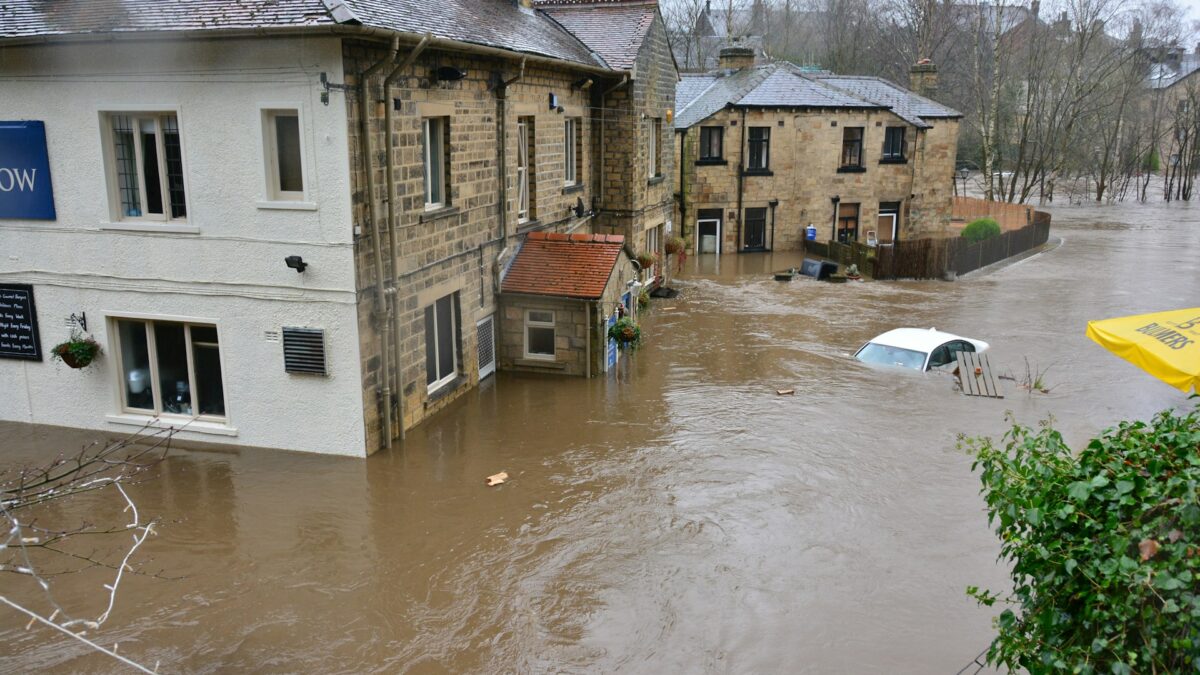


Floods leave behind more than water — they create lasting damage that threatens both your home’s structure and your family’s health. Once the water recedes, acting quickly and carefully is crucial to minimize risks like mold, contamination, and electrical hazards. With the right steps, recovery is possible — and safer.
Start with Safety
Before entering your home, make sure it’s structurally sound. Floodwaters can compromise walls, flooring, and even the foundation. If there’s any doubt, bring in a professional to inspect the property. When reentering, always wear protective gear — gloves, boots, and masks — to avoid exposure to sewage, chemicals, or debris carried by the flood.
Remove Water and Dry Thoroughly
Mold can begin growing within 24 to 48 hours, so drying your home is top priority. Use pumps and wet vacs to remove standing water, then open windows and use fans or dehumidifiers to increase airflow. The faster you dry, the less chance mold has to take hold — and the safer your home will be.
Know What to Keep — and What to Toss
Some items can’t be salvaged. Carpets, mattresses, and upholstered furniture that have absorbed contaminated water should be discarded. Hard surfaces like walls and floors can be scrubbed with water and a non-ammonia cleaner, then disinfected to eliminate bacteria.
Prioritize Electrical Safety
Never turn on electrical systems that may have been submerged. Have a licensed electrician assess the damage before restoring power. HVAC systems exposed to water may also need to be replaced to prevent further risks.
Bring in the Pros When Needed
Restoration professionals have the equipment and training to tackle both visible and hidden damage — including mold remediation and deep structural drying. While DIY efforts might seem tempting, hiring experts can prevent costly long-term problems.
A Thoughtful Response to a Difficult Situation
Flood damage is overwhelming, but with the right approach, you can protect your health, your home, and your peace of mind. Stay cautious, act quickly, and lean on professional help when needed — because a full recovery is not just about repairs, it’s about restoring safety and stability for your family. For more details on this, check out the accompany resource from Power Restoration, an expert in emergency water damage repair in Rockford, IL.
