


Most homeowners don’t think about their roof until water is dripping onto the living room floor. By that time, a relatively minor repairable leak has often turned into an expensive structural repair, even though the red flags were there for months or years.
Curling and missing shingles
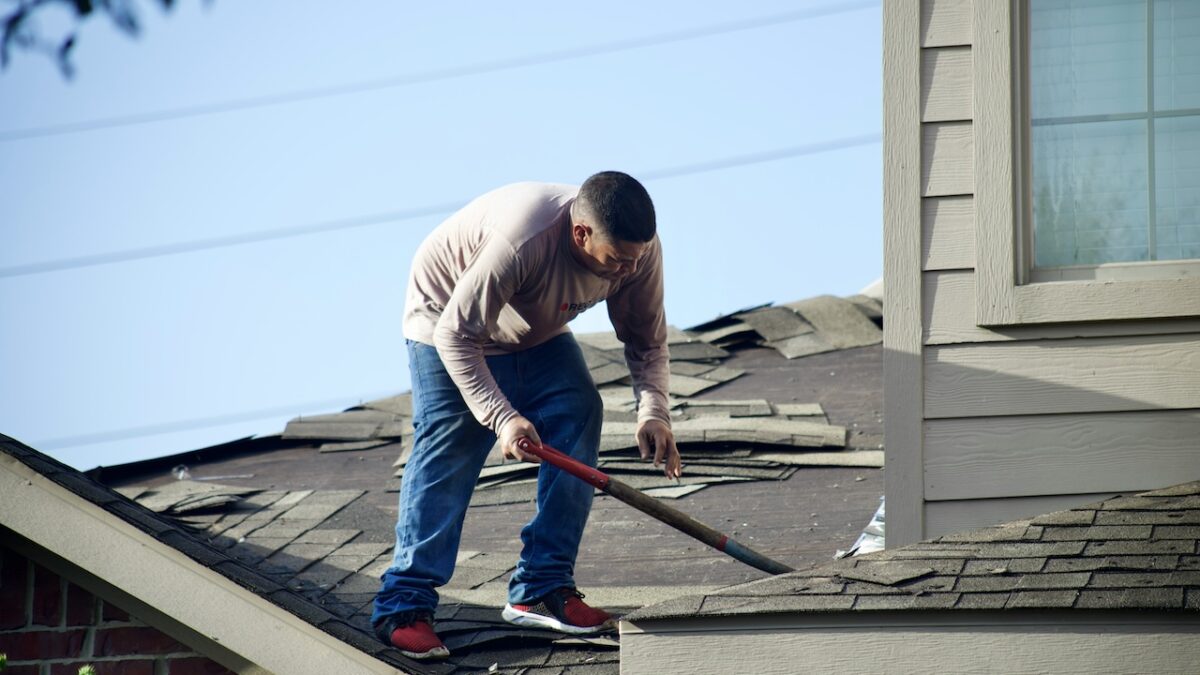
Asphalt shingles are specifically made to lay flat and stick closely together to direct water off the roof and into the gutters. Once the edges start to lift up or the middle begins to rise, this function is completely compromised. Water will trickle under the shingle instead of on top of it, and it could be blown off by any passing breeze.
UV radiation will naturally dry the asphalt’s oils, which will cause the shingle to be in a weakened state. Thermal shock – the constant expansion and contraction process of going from a very hot day to very cold night – accelerates that breakdown. Once a shingle begins to curl, there is nothing you can do to reverse it. That section of the roof is no longer doing its job.
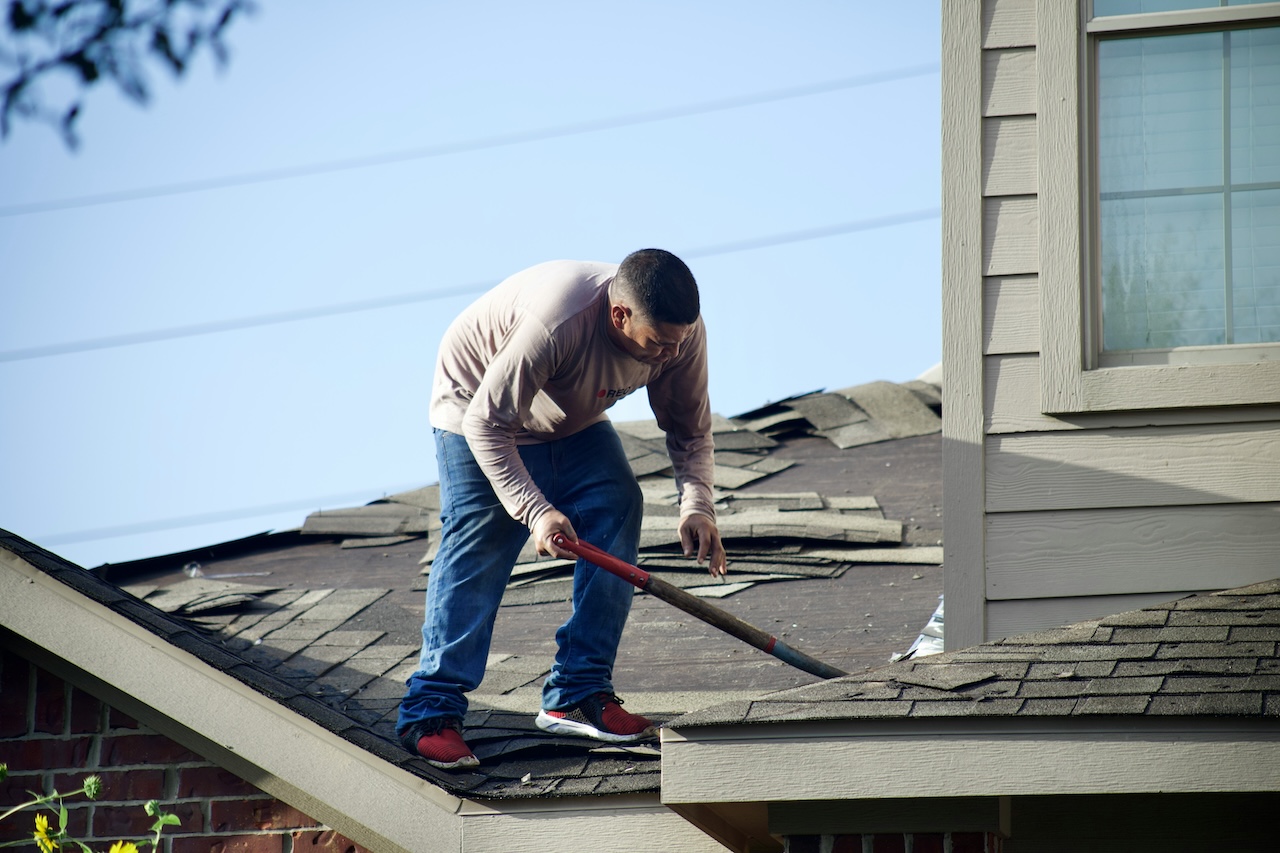
Missing shingles are the more obvious version of the same problem. The patches left behind expose the underlayment and eventually the roof deck beneath it. Even a few missing shingles create an entry point for water during the next heavy rain.
Granules collecting in your gutters
Brand-new shingles lose a few granules, but that’s no reason to be alarmed. What should set your alarm bells ringing is if you come across a layer of that grayish, sand-like material in your gutters every time you clean them. Those granules represent the first line of defense against UV radiation for your shingle. They’re a ceramic coating that reflects heat and shields the underlying asphalt from direct sunlight. When they start coming off in volume, the asphalt beneath is exposed, and once that happens, the shingle is toast. You’ll be able to spot the affected shingles because they look lighter, almost bleached, compared to the others on the roof.
Granule loss is one of the clearest indicators that a roof is approaching the end of its serviceable life. It doesn’t mean the roof needs replacing tomorrow, but it does mean an inspection is overdue.
Water stains on ceilings or attic rafters
A brown ring on a ceiling looks like a minor cosmetic problem. It’s not. By the time water has traveled far enough to stain your ceiling, it has already worked its way past the shingles, through the underlayment, across the roof deck, and into the insulation above your living space. That’s multiple layers of protection that have already failed.
The attic is worth checking directly. Water stains on the rafters, wet insulation, or visible daylight through the decking boards are all signs that the leak has been active long enough to cause real damage. According to FEMA, mold can begin colonizing wet wood, drywall, and insulation within 24 to 48 hours of initial exposure – which means a slow, undetected roof leak doesn’t stay a structural problem for long before it becomes a health problem too.
Don’t wait for the stain to get bigger. An interior water stain is the roof asking for help.
Damaged or lifted flashing
Roof flashing is a thin metal that gets installed around chimneys, skylights, vents, and valleys – in essence, anywhere two surfaces meet or a penetration breaks the plane of the roof. These are the weakest spots when it comes to water penetration, and the flashing is what ensures they stay watertight.
Whenever flashing splits, rusts, or peels from the surface it’s supposed to be protecting, water enters the breach. Such leaks tend to be slow and invisible, because the water seeps into the walls rather than running through a visibly leaking roof and soaking the floor. The less notice you take of a leak, the more dangerous it becomes.
In extremely hot climates, flashing sealant degrades and cracks sooner than in less extreme weather. Homeowners in desert climates will want to have a Roofing company las vegas check their flashing before storm season, when compromised flashing becomes an active problem fast.
A sagging roofline
This is the sign that can’t be ignored. A dip in the ridge line, a visible bow in the decking between rafters, or a section of the roof that looks like it’s pulling away from the rest – these are structural warnings, not cosmetic ones.
Sagging is almost always the result of long-term water damage that wasn’t caught early. Rotted rafters, waterlogged roof decking, or compromised structural supports are the usual causes. The deck that holds the shingles is typically plywood or OSB, and once it absorbs enough moisture to begin breaking down, it loses its load-bearing strength.
A sagging roofline is the point where deferred maintenance becomes an emergency repair – and often a full replacement. It’s also the costliest outcome on this list, and it’s almost entirely preventable if the earlier warning signs get addressed in time.
The cost of waiting
Each one of these warning signs deteriorates over time. What may only cost a few hundred dollars to repair today can often lead to a necessary replacement costing tens of thousands of dollars in the not too distant future. Regular inspection – especially after severe weather – is what separates homeowners who catch problems early from those who end up replacing an entire roof when a smaller repair would have done the job.